
Growing Education
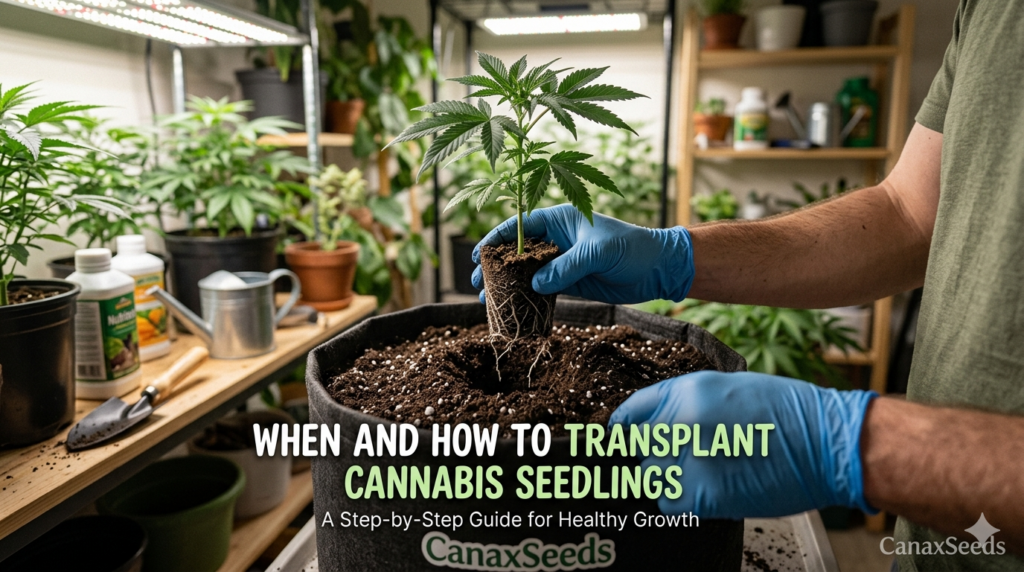
When and How to Transplant Cannabis Seedlings
01
May
May
Why Transplanting Is Important
Transplanting cannabis seedlings at the right time ensures healthy root development, reduces stress, and maximizes growth potential. For autoflower, feminized, and CBD seeds, proper transplanting allows plants to access more nutrients and space, resulting in stronger stems, larger leaves, and higher yields. Seedlings left too long in small containers may become root-bound, while transplanting too early can damage delicate taproots. Timing and technique are essential for a successful transition.Signs It’s Time to Transplant
- Seedlings have developed 2–4 sets of true leaves.
- Roots are visible through drainage holes or beginning to circle the container.
- Soil dries out quickly after watering.
- Plants appear stunted or stretched, indicating limited root space.
How to Prepare for Transplanting
1. Choose the Right Container
- Select a pot slightly larger than the current container to allow root expansion.
- Ensure proper drainage to prevent overwatering.
- Use containers suited to your strain type—autoflowers benefit from slightly larger early containers to support rapid growth.
2. Prepare the Growing Medium
- Use light, aerated soil, coco coir, or starter mix.
- Avoid heavy, nutrient-rich soil, which can burn young roots.
- Moisten the medium slightly before transplanting to reduce shock.
3. Handle Seedlings Carefully
- Gently remove seedlings from the original container, keeping the root ball intact.
- Avoid touching roots directly, especially with autoflower and feminized seeds.
- Use clean tools or gloved hands to prevent contamination.
Step-by-Step Transplanting Process
- Make a hole in the new container slightly larger than the seedling’s root ball.
- Place the seedling into the hole, ensuring the soil level remains consistent.
- Fill around the roots gently with the growing medium, firming lightly without compacting.
- Water lightly to settle the medium and provide hydration.
- Place seedlings in stable conditions with moderate light and proper humidity to reduce stress.
Tips for Autoflower, Feminized, and CBD Seedlings
- Autoflower seedlings: Transplant quickly and efficiently to avoid slowing their short growth cycle.
- Feminized seedlings: Ensure gentle handling to prevent stress that could affect female development.
- CBD seedlings: Maintain consistent moisture and environmental conditions to protect medicinal properties.
Benefits of Proper Transplanting
- Strong, healthy root systems for vigorous growth.
- Reduced risk of transplant shock or stunted development.
- Improved nutrient and water uptake for all seed types.
- Higher overall yields and uniform plant development.
Common Mistakes to Avoid
- Transplanting too early before roots are established.
- Using pots that are too large, causing overwatering.
- Compacting soil around roots, which limits oxygen availability.
- Exposing seedlings to stressors like direct intense light or wind immediately after transplanting.
Final Thoughts
Transplanting is a critical step in the cannabis grow cycle. By recognizing the right time to move seedlings and following careful techniques, growers can ensure autoflower, feminized, and CBD seeds develop strong roots and robust early growth. Proper transplanting minimizes stress, supports healthy development, and lays the foundation for a productive, successful grow.